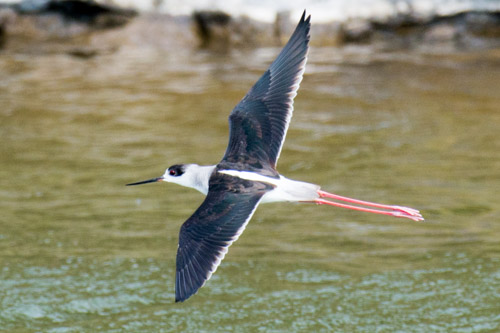
Burton Mere Wetlands and Hoylake at High Tide 13 Sep 2026
It was two and a half months ago we last went to Burton Mere Wetlands. In fact, it has been two and a half months since we have done any birding at all. A prolonged heat wave (summer, actually) meant that we hardly wanted to go the effort at the quiet time of year when it was often in the high twenties. Today was a welcome return to Burton and to birding in general and a high tide was a good time to make a come-back.
It was a lovely day – a Sunday – and very still, sunny and a pleasant nineteen degrees. Being a Sunday, the drive was pretty good as well. Ultimately we were headed to Hoylake but with the high tide not at its maximum until 1:30pm, it allowed us an hour at Burton beforehand. We were immediately rewarded with a year tick Green Sandpiper seen from the reception hide.
I moved to the platform outside reception to get a clearer view and got a second (UK at least) year tick of Ruddy Shelduck. There were still a few Swallows and House Martins flying overhead and a Skylark or two could be heard twittering in the sun somewhere.
We walked up to the viewpoint by the barn and got a good overview of the scrape with lots of Shoveler, Teal, Mallard and the like; a few Coot and Moorhen and a Ruff and a few Snipe. While we were enjoying the warm and the view, a flock of ten Spoonbills came in from the direction of Inner Marsh Farm and circled over the scrape a few times giving a fantastic display before settling down right in front of us. Rather than immediately going into roost mode, they all started to preen and bath and seemed like they were settled in for a while.
When we returned to the reception hide, they were still there, but we had to leave to get up to Hoylake in good time for the high tide.
We stopped off first at Meols where there was a good gathering of waders a little distant on the sand bars but, as the tide slowly started to come in they got closer in only to be scared of by two paramotors, one of which seemed to enjoy dropping down to the water level before rising back up again. Needless to say, this drove all the birds away so we headed down to the lifeboat station at Hoylake earlier than we intended.
When we got there, though, it wasn’t long before the birds started to increase in number and get closer in. There were large numbers of Ringed Plovers mixed in with the Dunlin and there was also a smattering of Sanderling. The usual high numbers of Oystercatchers and Redshanks were present and fair numbers of Curlew as well. I got a single Greenshank as a bonus.
It was all about over for us by 1:15pm so, with football at 4pm (yes, a Sunday) we headed back home. It had been a particularly nice return to birding and a welcome, sunny day (it has been raining since the heatwave) on the coast.
| Species | No |
|---|---|
| Bar-tailed Godwit | 1 |
| Black-headed Gull | 40 |
| Buzzard | 2 |
| Carrion Crow | 10 |
| Cormorant | 10 |
| Curlew | 60 |
| Dunlin | 300 |
| Great Black-backed Gull | 20 |
| Greenshank | 1 |
| Herring Gull | 40 |
| Lesser Black-backed Gull | 20 |
| Little Egret | 3 |
| Oystercatcher | 500 |
| Redshank | 200 |
| Ringed Plover | 60 |
| Sanderling | 20 |
| Shelduck | 3 |
| Black-tailed Godwit | 40 |
| Canada Goose | 30 |
| Cetti's Warbler | 1 |
| Coot | 2 |
| Green Sandpiper | 1 |
| Grey Heron | 1 |
| Greylag Goose | 20 |
| House Martin | 8 |
| Jay | 1 |
| Lapwing | 10 |
| Magpie | 2 |
| Mallard | 40 |
| Marsh Harrier | 1 |
| Moorhen | 4 |
| Pheasant | 1 |
| Robin | 1 |
| Rook | 10 |
| Ruddy Shelduck | 1 |
| Ruff | 1 |
| Shoveler | 20 |
| Skylark | 1 |
| Snipe | 3 |
| Spoonbill | 10 |
| Swallow | 2 |
| Teal | 20 |
| Wren | 1 |